Dr. Gary Chapman (https://www.5lovelanguages.com/5-love-languages/) and Dr. Shannon Warden (https://www.shannonwarden.com) will share their insights and expertise on how caregivers can work to keep their relationship healthy when caring for a loved one with dementia. This event will feature a virtual discussion by the experts, followed by an opportunity for Q&A from the audience.
Today’s Kindness Champion is Joe Blosser! This is what his nominator had to say about what makes him a kindness champion: “Joe Blosser HPU (many titles) is an extraordinary humble public servant in High Point. He shares his love of our community with his skills, knowledge, and talents in so many different arenas…HPU, GCS, Greater High Point Food Alliance, Growing HP, Good Friends and on and on. One of God’s true treasures in HP.”
Just like it’s important to talk to your teen about what healthy dating relationships look like, it’s also important to have a conversation about the different types of abuse and warning signs that indicate an unhealthy and/or abusive relationship. This can be a challenging conversation to have, so know that you are valid in any fears, apprehensions, or worries you may have. Though this can be a difficult conversation, it is also an important one. Being aware of the signs of unhealthy relationship behavior, can help teens prevent potentially abusive relationships!
In yesterday’s blog, we talked about the importance of letting your teen lead the conversation with what they already know when discussing healthy relationships. The same is true when talking about unhealthy relationship behavior and warning signs of abuse. Ask your teen what they already know and fill in the gaps as the conversation unfolds.
We’ve provided some questions and answers with important information to help you navigate this conversation with your teen!
What is an unhealthy relationship?
Unhealthy relationships are based on power and control and can leave you feeling sad, afraid, lonely, worried and unsafe. Though all unhealthy relationships are based on power and control, the behaviors and characteristics within these relationships may look very different. Abuse does not have a one size fits all definition and can take many forms, some of which are very subtle. Usually, the first thing that comes to mind when talking about dating violence or abuse is physical violence. Though this is a form of dating violence, there are many other ways that abuse can be present in relationships, including: emotional abuse, verbal abuse, sexual abuse, stalking, and even digital abuse.
What are the different types of relationship abuse and what do they look like?
Physical abuse: hitting, punching, kicking, biting, hair pulling, etc.
Emotional abuse: constant criticism, shaming, embarrassing someone in front of their friends and family, threatening to hurt themselves or you if they break up with you, etc.
Verbal abuse: threatening, name calling, put downs, withholding information, discounting or invalidating the other person’s feelings, etc.
Sexual abuse: unwanted sexual contact; sexual contact with someone who is intoxicated, unconscious, or otherwise unable to give consent; refusing to use condoms or restricting someone’s access to birth control; etc.
Stalking: sending unwanted messages, emails, or letters; unwanted phone calls; constantly calling and hanging up; unwanted gifts; showing up at someone’s school, home, or workplace uninvited; tracking someone through social media or other technology; etc.
Digital abuse:sending negative/threatening messages through text or social media; sending unwanted/explicit messages and/or demanding them in return; monitoring who someone can be friends with on social media sites; etc.
What are the warning signs of abuse?
Checking your text messages or social media without permission
Constantly putting you down
Extreme jealousy or insecurity
Isolating someone from friends or family
Telling someone what to do or what to wear
An explosive temper
Making false accusations (accusing you of cheating)
Possessiveness
Physically harming you
Forcing or pressuring you into sex
What are some resources to help teens with Teen Dating Violence?
Remember, relationship abuse is NEVER the victim’s fault. If your teen expresses that they or someone they know has experienced teen dating violence, believe them, support them, and be an ally as they begin their healing process.
The information in today’s blog series was adapted from our “What is an Unhealthy Relationship?” blog. Be sure to check it out for more information!
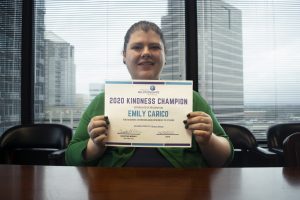
Today’s Kindness Champion is Emily Carico! This is what her nominator had to say about why she is an outstanding example of kindness in our community: “She is an attorney with Legal Aid. She is the lead attorney at the FJC in High Point. She treats every victim of violence with kindness. She takes her time with clients and makes sure that people understand their cases. She is also someone that the partners can go to in order to get more information about the law. She never is irritated, but rather helpful and full of knowledge.”
An important first step when talking to your teen about dating is sharing what a healthy relationship looks like. Start an open conversation with your teen, asking them what qualities they think make up a healthy relationship. By letting them lead with what they already know, your teen is more likely to feel like this is a conversation instead of a one-sided lecture, increasing the likelihood that they will be engaged and buy into what is being discussed. Asking your teen for their opinions, experiences, and input will also help them feel heard and respected throughout the conversation.
While listening to what your teen has to say about healthy relationships, be an active listener and focus on their strengths. Being an active listener means asking questions when you don’t understand something, reflecting back what you hear your teen saying, and validating the healthy relationship qualities they point out. When you use active listening skills and hone in on your teens strengths, they will feel validated, heard, and respected throughout your conversation.
After hearing from your teen about what they think a healthy relationship looks like, we encourage you to share some healthy relationship qualities that they might have missed or may need more information about. We’ve provided some key healthy relationship qualities to help you guide the conversation:
First, and most importantly, healthy relationships are free from all forms of abuse, neglect, and threats to one or more person in the relationship’s physical safety, emotional safety, well-being, and development.
Open, honest, and safe communicationis key to healthy relationships! In healthy relationships, both people are willing to communicate their emotions, needs, and expectations, while also providing space for the other person to do the same. Neither partner should feel afraid to share for fear of the other person’s reaction or response.
Mutual respect and support are two other foundational elements of healthy teen relationships. Both partners should value the other person’s values, beliefs, and boundaries, even if they don’t always agree or understand. They should also lift each other up and be there to support each other during challenges.
Trust in healthy relationships means that both people feel like they can depend on one another and feel emotionally and physically safe with each other.
Healthy boundariesensure that both partners feel safe, comfortable, and supported in the relationship. It’s important for teens to have an open and ongoing conversation about boundaries in their dating relationships to ensure that both people’s wants, needs, and limits are respected. Encourage your teen to think about their boundaries and help them practice communicating those boundaries. It’s also important to discuss respecting other people’s boundaries and how to navigate boundary violations.
Consent is critical to building healthy teen relationships. Consent is an agreement between people in a relationship to engage in sexual and/or intimate physical contact. When we talk about consent we usually think about sexual activity; however, it’s important to keep in mind that consent goes a step beyond that and can include other forms of intimate physical contact/interaction, such as hugs, holding hands, and touching. Consent is a clear and enthusiastic yes. It is ongoing and involves communicating every step of the way. Consent is free of coercion. Consent means respecting when someone says no. Consent is NOT saying yes under the influence of a substance or after pressure and coercion, and not saying no does not mean yes.
Conflict resolution is an important part of relationships! Being able to resolve arguments or disagreements in a healthy way promotes both people’s well-being and strengthens the relationship. Talk to your teen about key components of healthy conflict resolution, such as compromise, boundaries, respect, and emotion regulation.
This is a lot of information to cover, so it’s important to be mindful about not overwhelming your teen with too much at once. Start an open and ongoing conversation about dating relationships, and let your teen know that you are there for them whenever they have any questions or concerns!
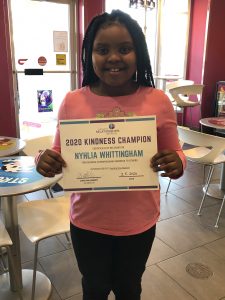
Today’s Kindness Champion is Nyhlia Whittingham! Here is what Nyhlia’s nominator had to say about what makes her a kindness champion: “Nyhlia is an incredible 5th grader. She always does the right thing, even when no one is looking. She embodies kindness in her daily interactions with other kids and with adults. If someone needs help, she is one of the first to offer assistance. If someone is upset, she is one of the first to comfort. On many times, I’ve seen Nyhlia stand up for what she thought was right, even if it meant disagreeing with her friends – something that most fifth graders are not ready to do. She’s often the first to stand up for someone who is being mistreated, and one of the first to invite someone to join her if they are alone. Nyhlia is mature, intelligent, and a pleasure to be around. She is an all-around great kid and it’s a pleasure to know her and watch her grow. More kids should be like Nyhlia!”
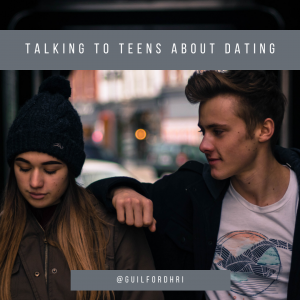
Before you know it, your teen will be entering the dating world. Maybe you’re feeling uncertain or even intimidated when thinking about talking to your teen about dating. Know that these feelings are completely normal and something many parents experience. However, you don’t have to dread this conversation or see it as something scary and daunting. In fact, it can actually be a wonderful opportunity to build connection and let your teen know that you are there for them as they navigate this new stage in their life.
Parents play an important role in teaching kids about healthy relationships! Talking to your teen about what healthy dating relationships look like, as well as some indicators of when they may be experiencing an unhealthy relationship are essential to helping your teen develop healthy relationships and avoid unhealthy or abusive relationships in the future. You have the opportunity to help your teen develop the skills needed to build truly happy, healthy, and safe relationships!
In honor of February’s Teen Dating Violence Awareness month, we will be sharing a series of tips to help you talk to your teen about dating!
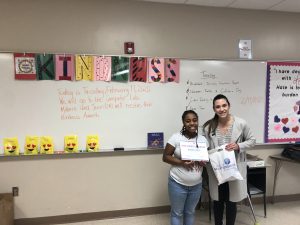
Today’s Kindness Champion is Midorie Price! This is what Midorie’s nominator had to say about why she exemplifies the qualities of a kindness champion: “Midorie is a leader in the classroom. She is kind to everyone — her classmates especially. She is always the first to volunteer to lend a helping hand and is extremely polite to everyone she encounters.”
Kindness builds strong communities! Though Random Acts of Kindness Week is over, we encourage you to continue to think about how you can spread kindness throughout your community all year long!
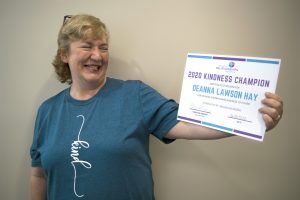
Today’s Kindness Champion is DeAnna Lawson Hay! Here is what her nominator had to say about DeAnna’s outstanding efforts to spread kindness throughout the community: “DeAnna Lawson Hay who is so kind that she is trying to change the community around her with a kindness challenge herself. She has a website www.myfrienddeanna.com where she shares quotes and inspiration for others on how to show gratitude to the community and shares what she is doing to practice what she preaches. Two things that I will share that she has done recently, is in December she partnered with Wellsprings to throw the senior residents a Holiday Party that included food, games, prizes and just overall fun. She worked with friends and community partners to get everything either donated or at a really good price using coupons. The other project that she is currently working on is collecting pop-tab for Ronald McDonald House. I believe she has challenged friends and the community to collect 1 million pop tabs in one year. She is willing to pick up poptabs from people and drives them to Ronald McDonald house herself on a regular basis. I could share lots of other ways that DeAnna is just one of the most genuine, honest and caring people I know, but check out her website and see for yourself.”