Click here to answer 10 questions and assess your burnout level today.
Whether you rate high on the assessment or not, you may benefit from the following HRI resources to help prevent burnout:

Click here to answer 10 questions and assess your burnout level today.
Whether you rate high on the assessment or not, you may benefit from the following HRI resources to help prevent burnout:

It can be hard to tell the difference between the signs of burnout and stress. But when we can identify what we are feeling, we’re more likely to be able to manage these feelings in a more productive and healthy way.
Read more about the signs and symptoms of burnout here.
Tune into HRI Program: Recognizing, Overcoming, & Preventing Burnout here.

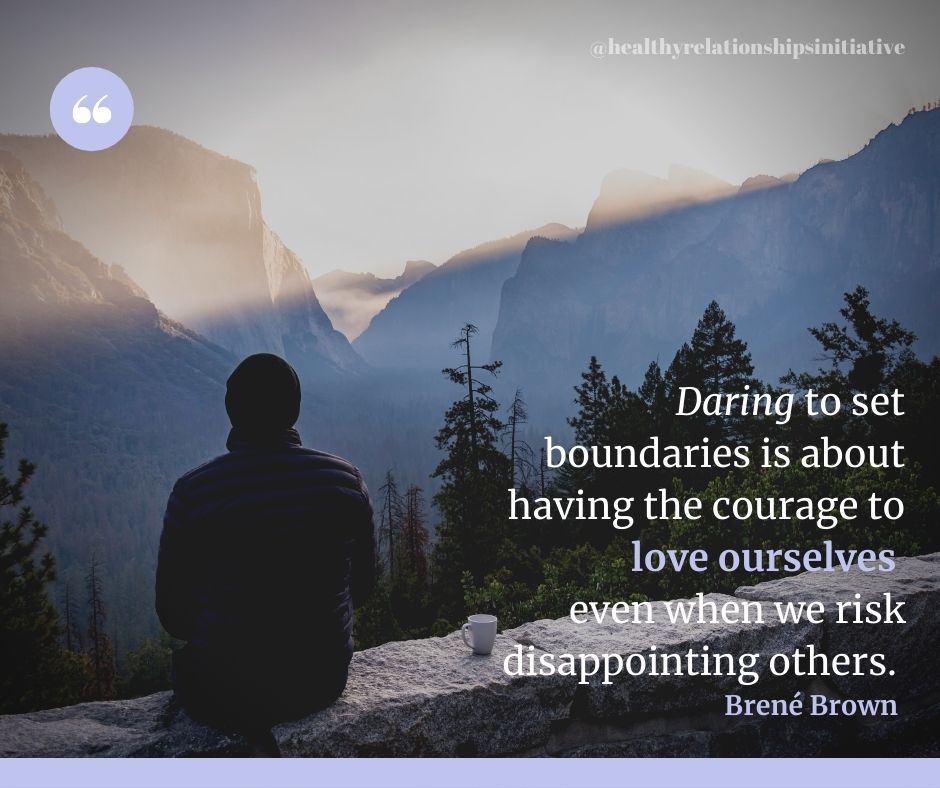
“Daring to set boundaries is about having the courage to love ourselves even when we risk disappointing others.” – Brené Brown

As the holidays approach, so does the stress of gifting! Regardless of what holidays you celebrate, or how you celebrate, most holiday celebrations involve some level of gift-giving and receiving, so why is it that we don’t often talk about the relationship implications or the etiquette around giving and receiving gifts?
Join HRI relationship experts, Dr. Christine Murray and Camila Dos Santos, and etiquette experts, Julie and Brooks Copeland, as they dive into a fun and insightful discussion around the topic of gift-giving and receiving. Learn more about our expert speakers, Julie & Brooks here.
In this fun discussion, we’ll tackle tough topics such as how to approach gifting during tough economic times, how to give meaningful and thoughtful gifts that make our loved ones feel special and strengthen our relationships, and how to manage the stress of gifting around the holidays.
We’ll also discuss topics such as how to re-gift politely, how to deal when you don’t like the gift you’ve received, and how to make sure that the process of gifting doesn’t take away from the importance of the holiday itself.
You won’t want to miss this conversation on November 18th from 12-1 pm!

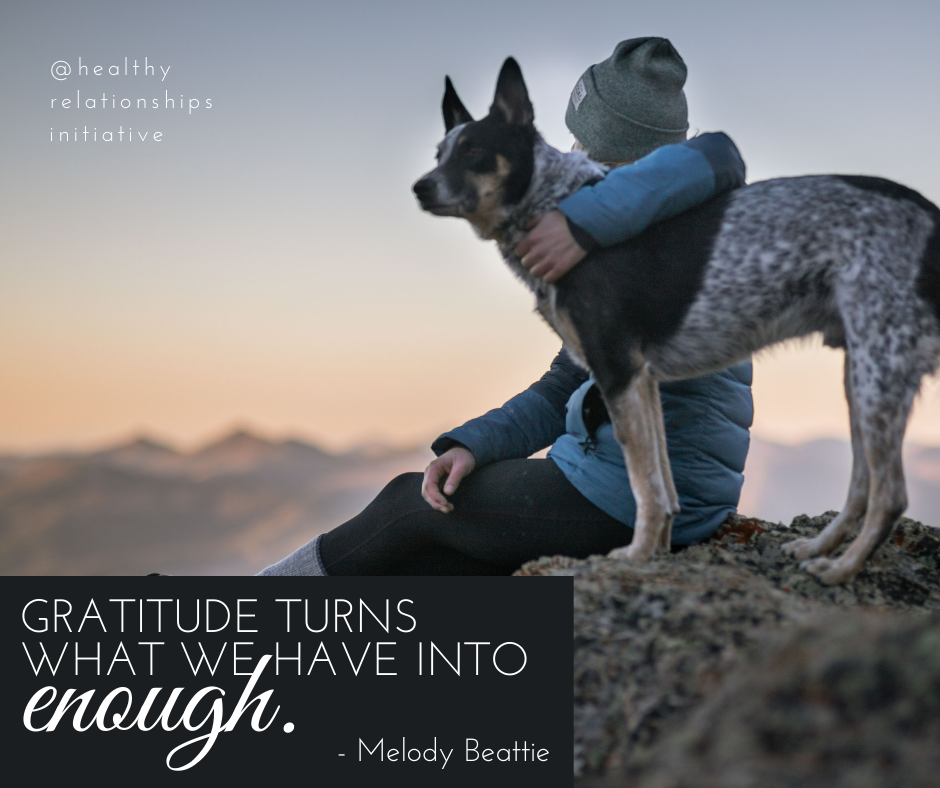
“Gratitude turns what we have into enough. It can turn a meal into a feast, a house into a home, a stranger into a friend.” – Melody Beattie
Read the full quote here.

An important aspect of a lasting and loving relationship is knowing where to look if you feel like you could benefit from the support of a professional counselor. Professional couples counseling can be beneficial if you are facing challenges in your relationship, going through a period of transition, or if you want to work on strengthening your relationship and preparing for conflicts that may arise in the future.
Although counseling has become more accepted throughout recent years, it is still common to feel scared or embarrassed about seeing a counselor due to the stigma around seeking professional help. However, there is no need to feel embarrassed about taking this step. Reaching out for counseling takes a lot of courage and is something to be proud of!
Once you and your partner are ready to reach out for counseling, it can be hard to know where to go. How do you sort through the many options of counselors in our community? How do you know if a counselor is the right fit for you and your partner? Can we even afford counseling? These are all potential questions that may come up as you start looking for a counselor.
Here are a few steps you can take to identify potential counselors who may be a good fit for you:
First, ask for recommendations!
One of the best ways to find a counselor is by asking the people you know and trust who they recommend. If you don’t have any personal contacts with counselors, consider professionals you know who might be able to offer a good recommendation, such as your doctor, your child’s pediatrician, a faith community leader, or a teacher or counselor at your child’s school.
Second, if you’re unable to get any personal or professional recommendations, then you can search one or more of the online directories of counselors.
Some of the main directories that are available include:
These directories usually allow you to search for a counselor by location, payment options, and areas of expertise.
Many counselors also have websites for their practice or agency, so once you and your partner have identified some good prospects, take some time to search their online profiles to get a better sense of whether or not they are a good fit.
Third, consider if a potential counselor is a good fit for both you and your partner.
You’ll help set the stage for a successful counseling experience if you can locate a counselor who meets as many preferences as possible for both you and your partner.
Fourth, once you’ve identified one or more good possible fits, reach out to speak with the counselor.
Many counselors offer prospective clients a chance to talk by phone – and sometimes in person – to get to know them before making a decision about whether to enter into a professional counseling relationship with them. If you have a chance to do this, some possible questions you could ask are: (1) What kind of training have you received to work with couples?; (2) Can you describe your counseling approach to me?; (3) What experience do you have with the issue my partner and I are facing currently?; (4) What are your fees and payment options?; (5) How often will we come for counseling sessions, how long will sessions last, and do you have any limits or expectations about how long you’d work with a client?
Want to know more?
Check out one of our previous blog posts: “How to Find a Counselor to Help With Relationship and Family Challenges”
And, check out this great recap of our pointers on finding a couples counselor in this YouTube video:

Sometimes, the support of friends and family members, along with your own coping resources, can only go so far in helping you to navigate really difficult and chaotic relationship challenges.
Counseling or therapy can be helpful at any time in your relationship, but they can be a critical source of support when you face relationship problems that affect you to your core.
Whether you seek help individually or with your partner, trained professionals can provide valuable, instrumental support as you face crises and chaos in your relationships.

This webinar is brought to you by a partnership between the Healthy Relationships Initiative and HealthyUNCG and was previously recorded on October 29,2020.
In this video, HRI Program Coordinator, Camila Dos Santos, discusses how to recognize the signs and causes of burnout and provides strategies to overcome and prevent burnout.
Additional Resources:

It’s natural to feel alone and isolated when you’re facing chaos in a relationship with someone who’s very close to you. That person may be your primary source of support, so when that bond is fragile, you may feel lonely and confused about where you can find help.
However, reaching out for help from trusted friends and family members can be an important step toward moving beyond the chaos. If you’re afraid to admit that you need help, remind yourself of the following: “People who care about me would want to help me get through this.”
Before you reach out for help from friends and family, however, take some time to think through how to do this in the way that’s most likely to help your current situation and least likely to make it worse. Read more on things to consider before asking friends and family for help with a relationship situation.

It’s important to do your best to keep hope alive, even in the midst of the most difficult relationship struggles. Take time to develop a positive mindset, such as by reflecting on the following affirmation: “This situation is difficult, but I trust that I/we will get through it and that there’s something positive waiting for me/us on the other side.”
Negativity–both in the relationship and within your own mind–can turn into a destructive cycle, leaving you and the situation feeling more hopeless and making it more difficult to see solutions.
A positive attitude doesn’t mean that you’ll gloss over problems or avoid facing difficult conversations. Instead, a positive attitude can help you accept that you are currently facing hard times, as well as trust that these difficult situations can be overcome.
Try to reframe your current challenges as an opportunity to learn and grow, which ultimately will help you to become a better, stronger person. These challenges also can be opportunities for growth and a deeper connection in your relationship, if and when you can overcome them in a healthy way.
Adapted from previous HRI post.